




































































































































































































































































































Notes On History-Medieval India: Tribes, Nomads, and Settled Communities-For WBCS Exam.
ইতিহাস সম্পর্কিত নোট – মধ্যযুগীয় ভারত: উপজাতি, যাযাবর এবং নিষ্পত্তি সম্প্রদায় – WBCS পরীক্ষার জন্য।
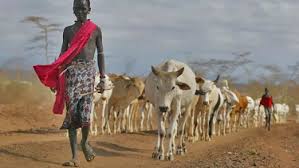
A nomad (Middle French: nomade “people without fixed habitation”)is a member of a community of people without fixed habitation who regularly move to and from the same areas, including nomadic hunter-gatherers, pastoral nomads (owning livestock), and tinker or trader nomads.As of 1995, there were an estimated 30–40 million nomads in the world.Continue Reading Notes On History-Medieval India: Tribes, Nomads, and Settled Communities-For WBCS Exam.
- Some powerful tribes controlled large territories. In Punjab, the Khokhar tribe was very influential during the 13th and 14th centuries.
- Kamal Khan Gakkhar, of Gakkhar tribe, was a noble (mansabdar) by Emperor Akbar.
- In Multan and Sind, the Langahs and Arghuns dominated extensive regions before they were subdued by the Mughals.
- In the western Himalaya lived the shepherd tribe of Gaddis.
- The distant north-eastern part of the subcontinent too was entirely dominated by tribes – the Nagas, Ahoms etc.
- In many areas of present-day Bihar and Jharkhand, Chero, chiefdoms had emerged by the 12th century. Raja Man Singh, Akbar’s general, attacked and defeated them in 1591.
- The Maharashtra highlands and Karnataka were home to Kolis[also in Gujarat], Berads etc.
- South got Koragas, Vetars, Maravars etc.
- Bhils spread across western and central India. By the late 16th century, many of them had become settled agriculturists and some even zamindars.
- The Gonds were found in great numbers across the present-day states of Chhattisgarh, Madhya Pradesh, Maharashtra and Andhra Pradesh.
Gond Tribe
- They lived in a vast forested region called Gondwana.
- They practiced shifting cultivation.
- The Akbar Nama, a history of Akbar’s reign, mentions the Gond kingdom of Garha Katanga that had 70,000 villages.
- The administrative system of these kingdoms was becoming centralized.
- The emergence of large states changed the nature of Gond society.
- Certain Gond chiefs now wished to be recognized as Rajputs.
Ahom Tribe
- They migrated to the Brahmaputra valley from present-day Myanmar in the 13th century.
- They created a new state by suppressing the older political system of the bhuiyans (landlords).
- During the 16th century, they annexed the kingdoms of the Chhutiyas (1523) and of Koch-Hajo (1581) and subjugated many other tribes.
- They know to use firearms as early as the 1530s.
- In 1662, the Mughals under Mir Jumla attacked the Ahom kingdom and defeated them.
- The Ahom state depended upon forced labour. Those forced to work for the state were called paiks.
- By the 17th century, the administration became quite centralized.
- In their worship concepts influence of Brahmanas increased by the 17th century.
- Literature and culture flourished in their time. Works known as buranjis, were written – first in the Ahom language and then in Assamese.
Trader Nomads: Banjaras
- The Banjaras were the most important trader-nomads. Their caravan was called tanda.
- Alauddin Khalji used the Banjaras to transport grain to the city markets.
- Emperor Jahangir wrote in his memoirs about Banjaras.
Our own publications are available at our webstore (click here).
For Guidance of WBCS (Exe.) Etc. Preliminary , Main Exam and Interview, Study Mat, Mock Test, Guided by WBCS Gr A Officers , Online and Classroom, Call 9674493673, or mail us at – mailus@wbcsmadeeasy.in
Please subscribe here to get all future updates on this post/page/category/website