











































































































































































































































































Chemistry Optional Notes On – McLafferty Rearrangement – For W.B.C.S. Examination.
ঐচ্ছিক রসায়ন নোট – ম্যাকল্যাফের্টি পুনর্বিন্যাস – WBCS পরীক্ষা।
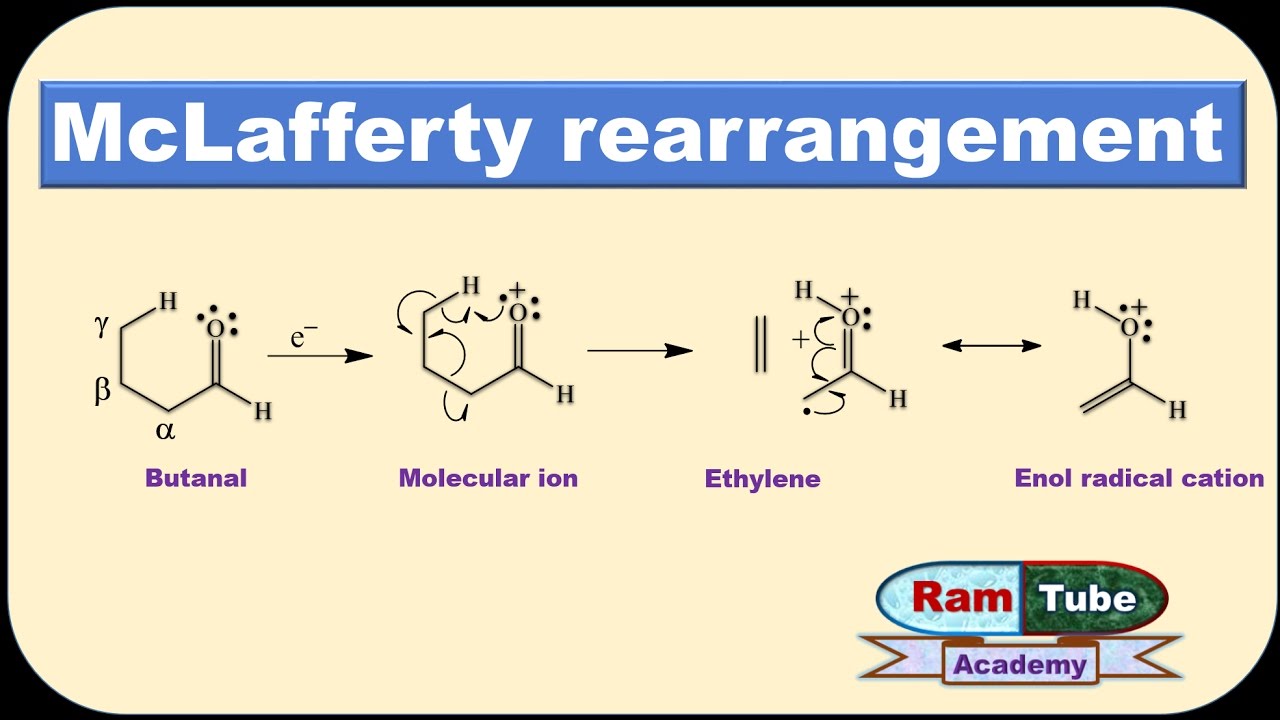
Chemistry is one such optional offered in the W.B.C.S. Examination. It is one of the optional subjects that is preferred by the aspirants graduated with the subject. Chemistry optional is a scoring subject if aspirants have sound knowledge in it. Similar to other optional papers, chemistry also has two papers. The paper I of chemistry optional deals with Inorganic Chemistry and Physical Chemistry. Paper-II completely deals with Organic Chemistry.Following previous years question papers are a must when it comes to optional subjects.The McLafferty rearrangement is a reaction observed in mass spectrometry during the fragmentation or dissociation of organic molecules. It is sometimes found that a molecule containing a keto-group undergoes β-cleavage, with the gain of the γ-hydrogen atom, as first reported by Nicholson working in the Division of Chemical Physics at the CSIRO in Australia.This rearrangement may take place by a radical or ionic mechanism.Continue Reading Chemistry Optional Notes On – McLafferty Rearrangement – For W.B.C.S. Examination.
A description of the reaction was later published by the American chemist Fred McLafferty in 1959 leading to his name being associated with the process.

Please subscribe here to get all future updates on this post/page/category/website
[email-subscribers namefield=”YES” desc=”” group=”]