









































































































































































































































































































Biology – The Plant Leaf – Notes For W.B.C.S. Examination.
জীববিজ্ঞান – উদ্ভিদের পাতা – WBCS পরীক্ষার নোট ।
- Leaves, usually, are thin and flattened organs, borne above ground.Continue Reading Biology – The Plant Leaf – Notes For W.B.C.S. Examination.
- There are varieties of leaves in terms of shapes, sizes, and textures. Likewise, different species of plants have different shapes, sizes, and textures of leaves.
- Some varieties of leaves are thick and juicy (especially of succulent plants).
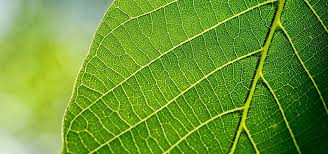
- Leaves are usually of green color because of the presence of chloroplast.
- However, some show plants have colorful leaves (see image given below) −
- Succulent plants often have thick juicy leaves, but some leaves are without major photosynthetic function and may be dead at maturity, as in some cataphylls and spines .
Functions of Leaves
- Following are the major functions of leaves −
- Leaves prepare food through photosynthesis.
- Leaves are the most important parts through which plants respire.
- Some leaves also store foods for the contingency period.
- Leaves assist in reproduction and pollination.
- Some leaves (especially of succulents plants – shown above), store chemical energy and water.
Modified Leaves
- To survive in an adverse environment, some of the plant species (especially leaves) modified themselves. Following are the list of such leaves −
- Spine leaves − Such leaves are look like spines, e.g. cactus plants (see image below).
- Bract leaves − Also known as pseudanthia (or false flowers), they are colorful leaves (see image below).
- Succulent leaves − These leaves store water and organic acids (see image below).
- Tendril leaves − Such leaves take the form of tendril and support plant to climb, e.g. pea plants (see image below).
- Scaly leaves − Some leaves modify themselves to protect buds known as scaly leaves, e.g. onion, garlic, etc. (see image below).
- Hook leaves − Such leaves modified as nails known as hook leaves, e.g. Bignonia (see image below).
- Pitcher leaves − Such leaves trap insects, e.g. pitcher plant. This is known as carnivorous plant.
Our own publications are available at our webstore (click here).
For Guidance of WBCS (Exe.) Etc. Preliminary , Main Exam and Interview, Study Mat, Mock Test, Guided by WBCS Gr A Officers , Online and Classroom, Call 9674493673, or mail us at – mailus@wbcsmadeeasy.in
Visit our you tube channel WBCSMadeEasy™ You tube Channel
Please subscribe here to get all future updates on this post/page/category/website